Understanding ADAS Technology
ADAS technology encompasses a wide range of systems designed to enhance vehicle safety and driver convenience. These include adaptive cruise control, lane keeping assistance, and automatic emergency braking, among others. Each system depends on accurate data from sensors to operate effectively. When these sensors malfunction, they can compromise the system’s functionality, leading to decreased safety and performance.
Core Components of ADAS
ADAS is built on a foundation of sophisticated components, each playing a crucial role in the system’s overall functionality. Sensors act as the vehicle’s eyes, constantly scanning the environment. Actuators, the muscle, respond to commands based on sensor input, while Electronic Control Units (ECUs) serve as the brain, processing information and making decisions. Systems on a Chip (SoCs) integrate these elements, offering a compact, efficient solution to meet the growing demands for performance and functionality.
The Role of Telematics in Enhancing ADAS Data for Insurance
Telematics technology, when integrated with ADAS, can provide an even more detailed picture of driving behavior. This section explores how combining these data sources enhances the accuracy and effectiveness of risk assessment.
Privacy Concerns and ADAS Data
How Insurance Companies Handle Your Data An overview of the measures insurance companies take to protect the privacy of your ADAS data, adhering to regulations and ensuring confidentiality.
Sensor Technology in ADASThe effectiveness of ADAS relies heavily on advanced sensor technology. Various types of sensors, including cameras, RADAR, and LIDAR, work in tandem to provide a comprehensive 360-degree view around the vehicle. This section will delve into the different sensors utilized in ADAS, the concept of sensor fusion, and the critical role each sensor plays in ensuring the vehicle’s safety and performance.
wide array of sensors and data analytics to function effectively. Understanding the basic concept and components of ADAS is essential in grasping its impact on various industries, especially in the realm of auto insurance.
Preventing Future Malfunctions
Regular maintenance, including cleaning sensors and updating software, can help prevent future malfunctions. Additionally, being mindful of driving conditions and avoiding scenarios that could damage the sensors (e.g., driving through deep water) is crucial.
Impact of ADAS on Insurance Premiums
One of the most direct impacts of ADAS data on insurance is its influence on premiums. As ADAS-equipped vehicles demonstrate lower accident rates, insurers are increasingly offering discounts or adjusted premiums for vehicles with these systems. Through case studies, we can explore how various insurance providers have adjusted their pricing models in response to the proliferation of ADAS technologies.
Connectivity and ADAS
Connectivity is a key aspect of modern ADAS, enabling vehicles to communicate with each other and with infrastructure. This section will cover the importance of vehicle-to-vehicle and vehicle-to-infrastructure communication, and the role of emerging technologies like 5G in enhancing ADAS functionality.
The Role of Electronic Control Units (ECUs)
ECUs are pivotal in managing the complex functions of
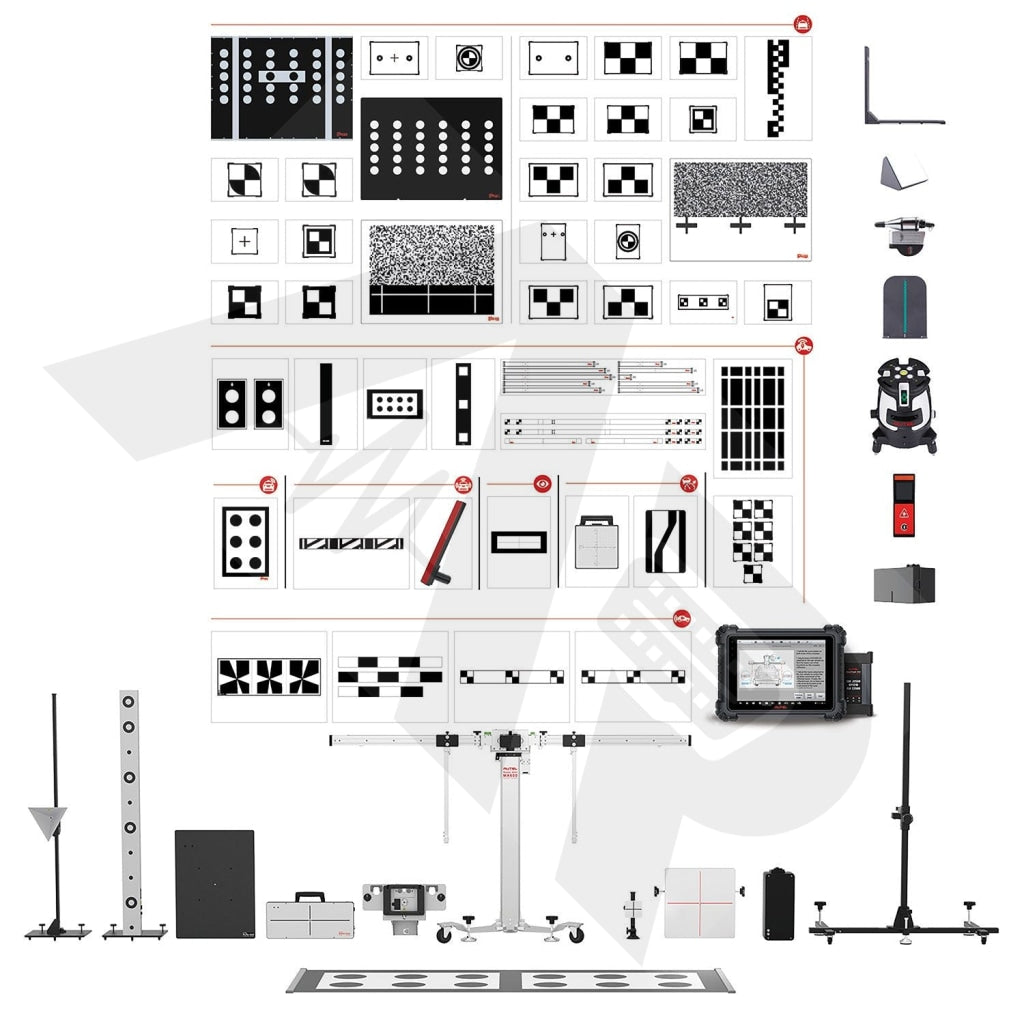
Portable Adas-equipped vehicles. This section will explore how ECUs interpret sensor data to control vehicle actions, the evolution of ECUs in the context of ADAS, and how they facilitate communication and coordination within the vehicle’s network.
Advanced Driver-Assistance Systems (ADAS) have transformed the automotive landscape, offering unprecedented levels of safety and comfort. These systems rely on a network of sensors to function correctly, including radar, camera, ultrasonic, and LiDAR. However, like any technology, they can malfunction. Knowing what steps to take when an ADAS sensor fails is crucial for maintaining the safety and performance of your vehicle.
Introduction to ADAS and Its Growing Importance in Modern Vehicles
Advanced Driver Assistance Systems (portable adas) represent a significant leap in automotive safety technology. Initially developed to enhance vehicle safety, ADAS has evolved into a complex network of systems that assist drivers in various ways. From automatic braking to lane-keeping assist, these systems rely on a
Diagnosing ADAS Sensor Issues
Professional Diagnosis
While some diagnostic checks can be performed independently, a professional diagnosis is often necessary. Automotive technicians with expertise in ADAS can provide a more thorough examination and pinpoint the exact cause of the malfunction.
Future of ADAS in Insurance Risk Assessment
The future of ADAS in insurance risk assessment looks promising, with emerging trends and technological innovations continuously shaping the landscape. This section will explore potential future developments and their implications for both insurers and consumers.

