Exploring the Future of Home Cleaning: Autonomous Vacuum Robots
In the ever-evolving landscape of home innovation, autonomous vacuum robotics have actually become a game-changer for modern-day families. These smart devices are not simply a high-end; they are ending up being increasingly important for hectic families and people who value cleanliness and performance. This post looks into the performances, benefits, and developments of autonomous vacuum robots, providing a thorough guide for anybody thinking about including one to their home.
What Are Autonomous Vacuum Robots?
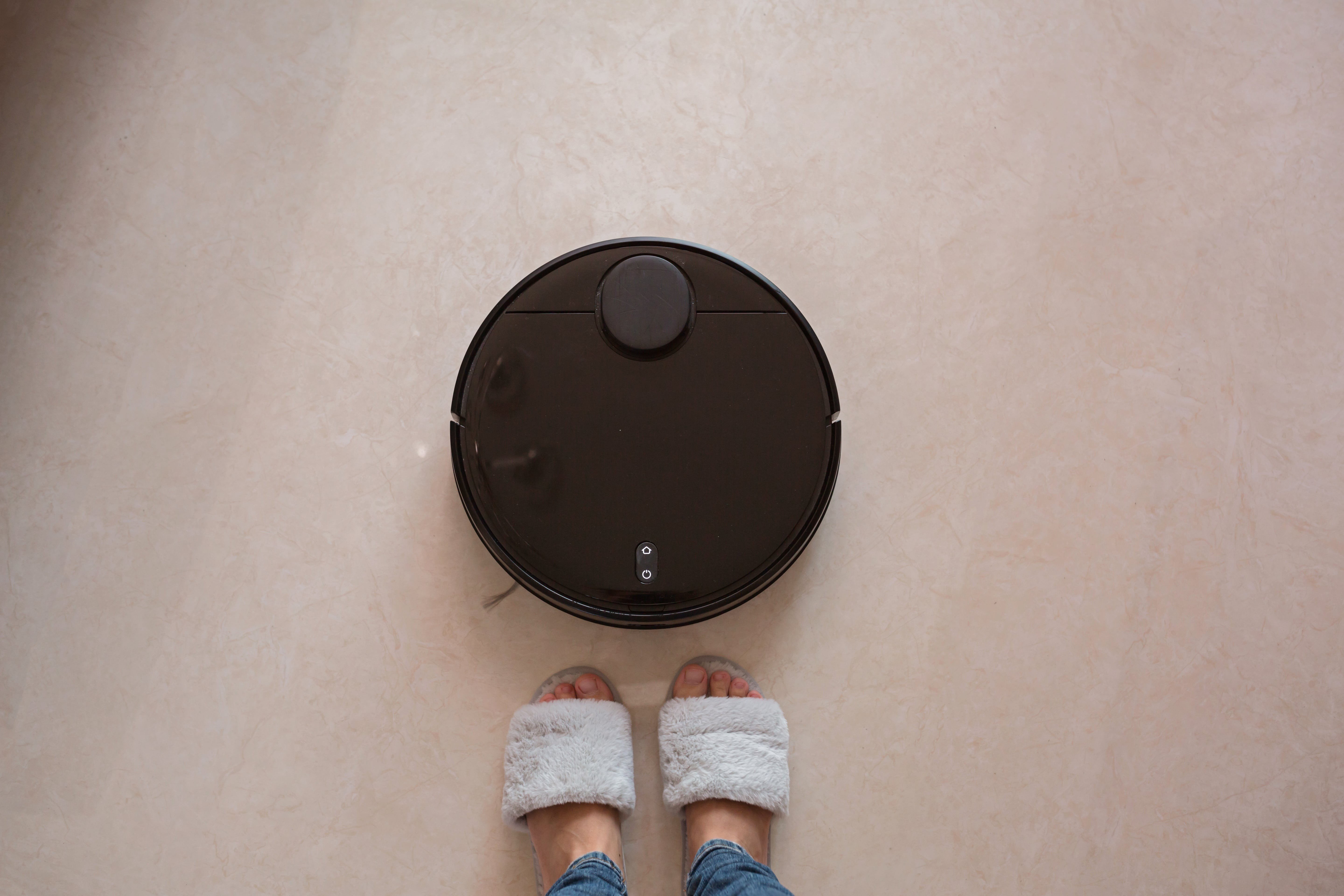
Autonomous vacuum robots, typically described as robotic vacuums or robovacs, are intelligent cleaning devices that run without human intervention. Geared up with advanced sensors, mapping technology, and AI algorithms, these robotics can navigate through a home, identify and clean dirt and debris, and go back to their charging dock when the battery is low. They are designed to keep a consistent level of tidiness in numerous environments, including wood floors, carpets, and tiles.
Key Features and Technologies
Mapping and Navigation
- Laser Mapping (LIDAR): Many high-end robovacs utilize LIDAR technology to create a detailed map of the home. This enables the robot to browse effectively, preventing barriers and covering every inch of the floor.
- Visual Simultaneous Localization and Mapping (vSLAM): Similar to LIDAR, vSLAM utilizes electronic cameras and image processing to map and navigate the home. This innovation is typically more budget-friendly and similarly reliable in numerous scenarios.
Sensing Units and Obstacle Avoidance
- Bump Sensors: These sensing units identify when the robot has run into an object, enabling it to alter instructions to avoid additional collisions.
- Cliff Sensors: These sensing units prevent the robot from falling off stairs or other elevated surface areas by discovering sharp drops.
- Dust Detection: Some models are geared up with sensors that can find dirt and debris, permitting the robot to focus on areas that need more cleaning.
Cleaning Performance
- Brush Systems: Robovacs include various brush configurations, consisting of side brushes and main brushes, to efficiently clean different surface areas.
- Suction Power: The suction power of a robovac is essential for its cleaning effectiveness. Greater suction power is usually required for carpets and pet hair.
- Filter Systems: Most models have HEPA filters to trap fine particles and enhance indoor air quality.
Connection and Control
- Wi-Fi Integration: Many robovacs can be controlled through a smart device app, allowing users to set up cleansings, monitor development, and get alerts.
- Voice Assistants: Compatibility with voice assistants like Amazon Alexa and Google Assistant adds another layer of convenience, allowing users to begin or stop cleaning with simple voice commands.
Advantages of Autonomous Vacuum Robots
Convenience
- Autonomous vacuums can be set up to clean at specific times, ensuring a consistently clean home without manual effort.
- Users can manage the robot remotely, making it simple to begin a cleaning session from anywhere.
Effectiveness
- These robots can clean areas that are difficult to reach or ignored, such as under furniture and in corners.
- They use smart algorithms to enhance cleaning paths, reducing the time and energy required for comprehensive cleaning.
Energy and Cost Savings
- Routine cleaning can assist extend the life of carpets and floors, potentially saving cash on replacements.
- Lots of robovacs are energy-efficient, using less power compared to conventional vacuum cleaners.
Health Benefits
- Effective cleaning can reduce dust, irritants, and germs, improving indoor air quality and creating a much healthier living environment.
- HEPA filters can capture great particles that are often missed out on by traditional cleaning approaches.
Improvements and Future Trends
Expert System and Machine Learning
- AI and artificial intelligence are being integrated into robovacs to enhance their decision-making and adaptability. For instance, some models can discover the layout of a home gradually and adjust their cleaning patterns accordingly.
Multi-Floor Cleaning
- Advanced models can browse in between multiple floors, making them appropriate for larger homes and homes.
Self-Emptying Systems
- Some high-end robovacs included self-emptying dustbins, which can hold up to numerous weeks' worth of dirt before requiring to be emptied.
Enhanced Battery Life
- Battery technology is continuously advancing, causing longer operational times and quicker charging cycles.
Combination with Smart Home Systems
- Robovacs are significantly being integrated with smart home systems, allowing for seamless control along with other gadgets like smart lights and thermostats.
FAQs About Autonomous Vacuum Robots
Q: Are autonomous vacuum robotics suitable for homes with family pets?
- A: Yes, numerous robovacs are developed to handle pet hair and dander. Models with strong suction power and specialized brush systems are especially effective for pet owners.
Q: How often should I clean my robovac?
- A: It is recommended to clean the brushes, filters, and dustbin after each usage to ensure optimum performance. In addition, periodic deep cleaning of the robot's parts can help keep its performance.
Q: Can robovacs tidy stairs?
- A: Most robovacs are developed to tidy flat surface areas and will prevent stairs due to cliff sensors. However, some models can navigating single steps or even whole staircases, though this is less typical.
Q: Are robovacs loud?
- A: Most robovacs are developed to run quietly, however the noise level can vary depending upon the design and suction power. Some designs offer a "peaceful mode" for very little disruption.
Q: Can robovacs replace a standard vacuum?
- A: While robovacs are outstanding for maintaining everyday cleanliness, they might not be as powerful as traditional vacuum cleaners for deep cleaning or handling large amounts of dirt and debris. Nevertheless, they can significantly minimize the frequency of manual cleaning.
Tips for Choosing the Right Autonomous Vacuum Robot
Consider the Size of Your Home
- Pick a model that can effectively clean the square video of your home. Some robovacs are better matched for little apartment or condos, while others are designed for larger houses.
Evaluate the Terrain
- If your home has several floors or various kinds of floor covering, try to find a robovac that can deal with these difficulties. Designs with strong suction power and versatile brush systems are perfect for homes with carpets and pet hair.
Examine Battery Life
- Ensure the robot has a battery life that suffices for cleaning your home in one go. Some designs have longer battery life and can go back to their charging dock to charge and resume cleaning.
Review Connectivity Options
- If you want to manage the robot remotely or incorporate it with your Dreame L40 Ultra: Smart Robot Vacuum & Mop home system, try to find models with Wi-Fi and voice assistant compatibility.
Consider Additional Features
- Features like self-emptying, irritant purification, and virtual limits can boost the user experience and effectiveness of the robovac.
Upkeep and Troubleshooting
Routine Cleaning
- Clean the brushes, filters, and dustbin after each usage to avoid clogging and keep efficiency.
Look for Obstacles
- Ensure that the robot's path is free of challenges like little things, cords, and furnishings. This can help avoid the robot from getting stuck or harmed.
Software Updates
- Keep the robot's software application approximately date to gain from the current functions and improvements.
Typical Issues and Solutions
- Robot Gets Stuck: Clear the area of barriers and look for any twisted cords or particles in the brushes.
- Low Battery: Ensure the robot is returning to its charging dock and that the dock is working effectively.
- Unclean Filters: Replace or clean up the filters as suggested by the manufacturer.
Autonomous vacuum robots represent a substantial improvement in home cleaning innovation. They use convenience, effectiveness, and health benefits, making them an important addition to contemporary homes. As innovation continues to evolve, these robotics are becoming smarter, more powerful, and more integrated into our lives. Whether you are a hectic professional, a pet owner, or just somebody who values a clean and organized home, an autonomous vacuum robot can help you achieve your cleaning goals with minimal effort.
By thinking about the essential functions, benefits, and maintenance requirements, you can select the best robovac for your requirements and enjoy a cleaner, more comfy living space. The future of home cleaning is here, and it is smarter than ever.